
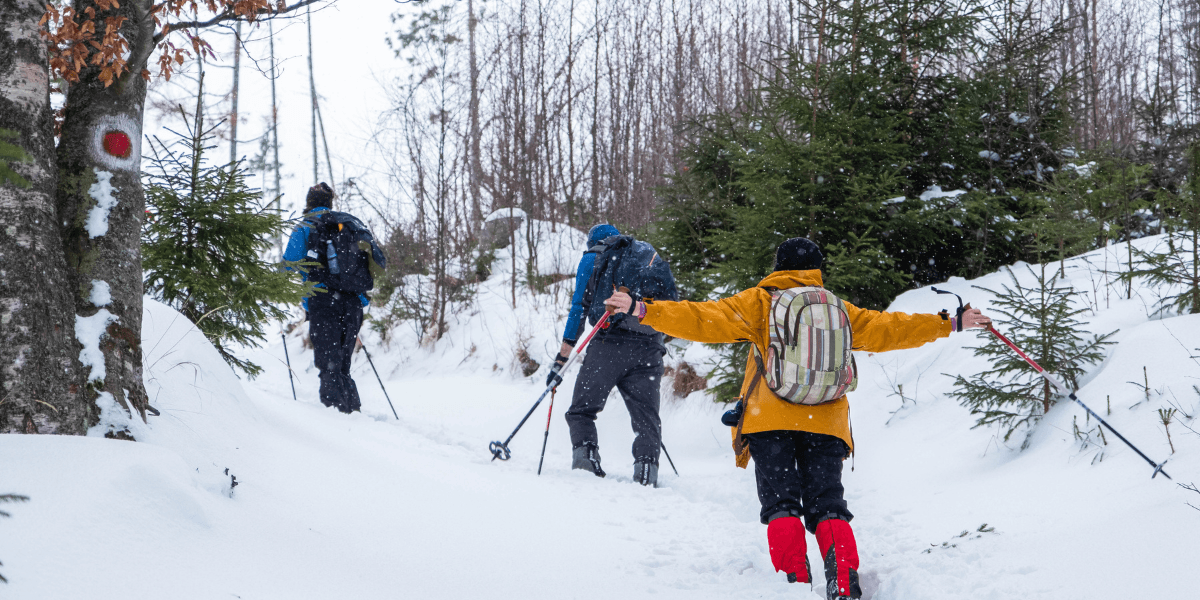
Most people think of Estes Park as a summer destination. And sure, the wildflower meadows and long sunny days are hard to beat. But here’s the thing, winter has a way of transforming this Colorado mountain town into something entirely its own. The crowds fade away, the peaks turn white, and the whole area settles into a quiet, almost movie-like beauty that feels unreal. It’s a different kind of magic that makes you want to stay out a little longer.
This is your personal Rocky Mountain National Park winter guide that will cover trail conditions, wildlife, driving tips, and the best ways to spend your days once the snow settles in.
Is Estes Park Worth Visiting in Winter?
Without a doubt, yes! December through February sees far fewer visitors than the summer rush, which means shorter lines, more breathing room on the trails, and a much more personal experience of the mountains. You get the same dramatic scenery, just without the crowded parking lots.
The town itself stays lively through the colder months. Local shops, restaurants, and breweries remain open. Elkhorn Drive’s main street feels cozy and full of small-town charm, something you don’t really notice in the busy summer months. Weekends around the holidays do attract more visitors, especially when the weather cooperates, so plan accordingly. But on a quiet Tuesday in January, you can have parts of Rocky Mountain National Park almost entirely to yourself. That alone is reason enough to visit.
How Cold Does Estes Park Get in Winter?
Before packing your bags, it’s important to understand the temperature conditions you’ll be stepping into. Daytime temperatures usually stay in the 30s°F (about 1 to 4°C) from December to February, then rise to the 40s°F (4 to 9°C) in March.
Estes Park in winter is frequently sunny, which is one of the season’s hidden pleasures. That said, high winds, snow, and ice are all part of the package, especially at higher elevations. March and April are actually the snowiest months, so don’t assume spring means mild conditions. If anything, late winter can deliver some of the most dramatic snowfall of the year. Pack accordingly, and bring more layers than you think you’ll need. At altitude, conditions shift quickly.
What to Expect Inside Rocky Mountain National Park This Winter
One thing to know before you visit: not everything in the park is open, including Trail Ridge Road, which is closed from mid-October until May. That sounds limiting, but it really isn’t. The areas that stay open are just as beautiful and far less crowded than anything you’d experience in peak season.
Bear Lake Road remains accessible through winter, weather permitting, and it’s where most snowshoers, winter hikers, and wildlife watchers spend their time. The Bear Lake area gets some of the heaviest snowfall on the east side of the park, which makes it great for snowshoeing well into spring. Moraine Park and the Fall River Entrance are also open and consistently deliver good wildlife sightings.
Things to Do in Estes Park in Winter
There’s no shortage of ways to fill your days. Here’s a look at the activities that make this season worth the cold:
Snowshoeing
If you can walk, you can snowshoe, no prior experience needed. The Bear Lake area is the go-to destination, with routes to Dream Lake, Emerald Lake, and Bierstadt Lake winding through pine forests and past frozen alpine lakes. For families, the Bear Lake Trail is a mostly flat loop that is manageable even for younger kids. The Alberta Falls Trail is another great choice: a short walk that ends at a frozen waterfall that looks like it belongs in a nature documentary.
Winter Hiking
Not all winter trails need snowshoes. Moraine Park is a good spot for winter and spring hikes because it gets more sun, so the snow melts faster than on shaded trails. The Black Canyon Trail near the Lumpy Ridge Trailhead is another great option, taking you through trees and rock areas with views of the snow-covered Continental Divide. In general, lower trails in the park are easier to walk on, even after fresh snow.
Backcountry and Cross-Country Skiing
For more adventurous visitors, the Hidden Valley area also serves as a base for backcountry and AT skiing. There are no lifts. Every downhill feels earned, but the quiet trails and mountain views make it worth it. Cross-country skiing is allowed on several trails on the east side of the park. At Hidden Valley in RMNP, there is also an avalanche beacon training area where backcountry skiers can practice before heading into more remote areas. Always take conditions seriously and check the avalanche forecast before heading out.
Snowcat Rides
A snowcat ride with local outfitters is one of the best things to do in Estes Park in winter for a memorable experience that requires no physical effort. Families board a snowcat and ride up a snow-covered mountainside to a remote lodge, warm up by the fire, and take in views that would otherwise require a serious hike to reach.
Stargazing
Clear winter nights in Estes Park are genuinely dark, and the cold air sharpens visibility considerably. The Estes Park Memorial Observatory offers public viewings through a powerful telescope, and the surrounding area has very little light pollution. If you’ve never seen a mountain sky on a crystal-clear winter night, add it to your list immediately.
What Animals Can You See in Estes Park in Winter?
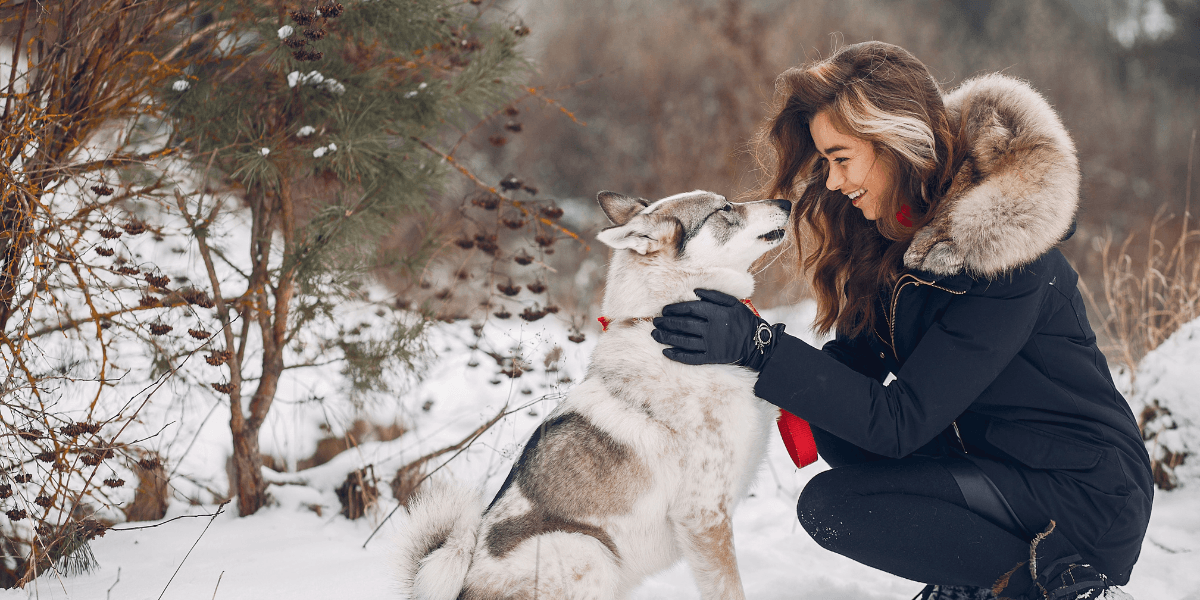
Winter is actually one of the best seasons for wildlife watching in Estes Park. The elk herd in RMNP numbers between 600 and 800 animals during colder months. As snow covers the high alpine zones, elk move down to lower elevations like Moraine Park and the meadows just outside town, where they’re regularly spotted grazing along roadsides and open fields. Mule deer do the same, often showing up in residential backyards and along roads leading into the park.
Coyotes are a common sight in Moraine Park through winter, though they blend into the snowy landscape surprisingly well. Fresh snow actually makes wildlife tracking easier overall, since animal prints that would vanish into summer soil stand out clearly against the white ground.
Moose prefer the wet valleys on the west side of the park, especially in the Kawuneeche Valley. Birdwatchers also enjoy winter because the thinner plants and trees make it easier to spot different bird species. For the best viewing, head out early in the morning or late in the afternoon, keep a safe distance, and let the animals move naturally.
Practical Tips for a Winter Visit
A few additional things worth knowing before you go:
- Dress in layers. At high altitude, moving from sunshine into shade can feel much colder, so it’s important to be prepared. Wear a moisture-wicking base layer, an insulating middle layer, and a waterproof outer jacket. Don’t forget sun protection; UV rays are stronger at elevation, and snow reflects them, increasing exposure.
- Winter does not require timed entry permits, which makes visiting easier compared to summer. However, popular areas like Bear Lake can still get busy on weekends, so starting early is a good idea.
- If you want to join a ranger-led snowshoe walk, you need to make a reservation at least seven days in advance. Snowshoes are not provided on the east side of the park, so you must bring your own or rent them in town before your visit.
- Highways 36 and 34 are regularly plowed, but ice and heavy snow can still catch you off guard. Carrying chains as a backup is strongly recommended, as Rocky Mountain National Park may require approved traction devices at any time. If you’re asking, do you need snow chains to drive in Estes Park? The safe answer is yes, you need to have them ready just in case, and always check CDOT’s live road conditions before heading out
- Carry more water than feels necessary. Cold air is dry, and dehydration at altitude happens faster than most people realize, especially when you’re exerting yourself in the cold.
Conclusion
Estes Park in winter is one of Colorado’s most underrated travel experiences. The trails are quieter, the wildlife is closer, the skies are often crystal-clear, and the whole landscape wears a kind of stillness that summer can’t offer. Yes, it’s cold. Yes, you need to prepare. But the payoff, a snow-covered RMNP nearly to yourself, elk grazing in morning light, a frozen waterfall sparkling on a bright January afternoon, is absolutely worth it.
Give the off-season a chance, and Estes Park will surprise you in the best possible way. At Kokopelli Inn, we offer some of the best rates in the area, making it easy to plan a winter getaway that fits your budget. Check out the Kokopelli Inn rooms and rates for your next getaway to choose the perfect mountain retreat!