
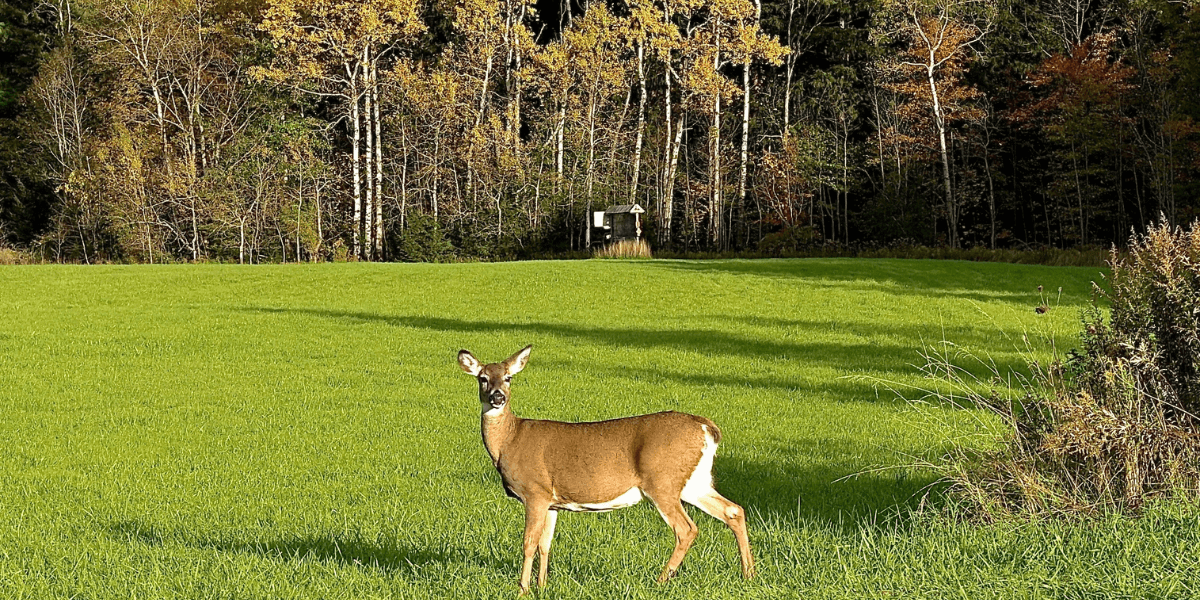
Early morning fog still clings to the meadows when the first bugle of a bull elk cuts through the quiet, a sound woven into daily life in this small Colorado mountain town. You might spot elk in Estes Park grazing near a roadside pullout or wandering through an open field, and the moment feels like stepping straight into a nature film playing out right outside your window.
The town sits along the edge of Rocky Mountain National Park, offering guests close-up views of remarkable wildlife. This guide shares the best places, seasons, and daily habits to catch these animals in their element.
Why Estes Park is a Magnet for Wildlife
This mountain valley sits inside a wildlife corridor unlike almost anywhere else in Colorado. Rocky Mountain National Park wraps around three sides of town, and national forest land covers the fourth. That combination protects thousands of acres where elk, deer, and bighorn sheep roam freely. Around 3,000 elk call this region home for part of the year, and their numbers make sightings a near-daily occurrence.
Local animals in Estes Park extend well beyond elk. Bighorn sheep gather near Sheep Lakes, and black bears pass through the forest edges. These wildlife sightings give visitors a real sense of how connected this town remains to the surrounding land.
Best Places to See Elk in Estes Park
Certain spots in and around the park give far better odds than others.
Moraine Park
This wide meadow sits just a few miles from park headquarters, and it ranks among the top spots for mountain elk sightings. Open grassland meets forest edge here, exactly where elk prefer to graze. Pullouts line the road, though this area gets busy fast.
Horseshoe Park
Flat terrain and a wide valley floor make this a favorite gathering point. Herds move through here year-round, feeding on grasses along the valley bottom. Fewer crowds gather here compared to Moraine Park.
Upper Beaver Meadows
Smaller herds gather along this gentle meadow trail, not the large groups found elsewhere. Families appreciate the easy walking path, and spring visits frequently reveal calves grazing near their mothers. Bring binoculars, since animals graze farther from the road.
Kawuneeche Valley
This scenic valley lies on the west side of the park and offers drivers a relaxed way to look for wildlife. Elk and moose both frequent this stretch, particularly near Harbison Meadow. A slow drive along the valley road regularly turns up a sighting.
Lake Estes Shoreline
A calm walk around the lake regularly reveals elk grazing along the grassy banks. Mornings bring the clearest views before foot traffic picks up around town. The flat path around the water also makes this a comfortable stop for visitors who prefer easy, level ground.
Estes Park Golf Course
The golf course grounds attract a resident herd that grazes the fairways daily. Visitors can watch elk resting under trees or grazing near the greens, all within town limits. This spot works well for anyone short on time or unable to hike.
Kokopelli Inn sits close to these viewing spots, giving guests a relaxed home base after a day outdoors. As an Estes Park Inn, we offer a warm, comfortable stop between outings. Connect with us today to relax and unwind!
Best Seasons to Spot Rocky Mountain Elk
Each season brings its own rhythm to elk activity in the valley.
The Fall Rut
September and October bring the boldest wildlife show of the year. Bull elk bugle across meadows to attract mates and warn off rivals, and this rutting season draws visitors from across the world. Large herds gather during this stretch, making fall the best season for reliable sightings.
Spring Calving Season
May and June introduce a gentler side of elk life. Cows move to sheltered meadows to give birth, and calves begin testing their legs within days. Early-morning visits during this period increase the odds of seeing a calf graze beside its mother.
Summer Grazing
Warmer months scatter elk across higher elevations, so sightings require a bit more searching. Herds still return to lower meadows in the early hours before temperatures climb. Summer works well for travelers who plan to combine elk watching with hiking.
Winter Viewing
Snow pushes elk toward lower ground, where food stays easier to reach. Roads at higher elevations may close, so plan for lower-valley routes for the most reliable sightings. Fresh snow also reveals tracks, giving clues even when the animals stay hidden.
Best Time of Day for Estes Park Wildlife Viewing
Time of day matters as much as location when searching for elk. Dawn and dusk consistently produce the strongest results. Cooler temperatures draw elk out of the trees and into open meadows, and quieter roads mean fewer disturbances.
Wildlife stays most active during these low-light windows, so arriving before sunrise or staying until after sunset pays off. Midday visits still work, though animals rest in shaded areas during the warmest hours.
Evening hours after 6 p.m. regularly bring elk closer to roadsides as temperatures drop and crowds head back to town. A slow drive through Moraine Park or Horseshoe Park near sunset frequently rewards patient visitors. Pack a warm layer, since mountain evenings cool down fast even in summer.
Tips for Safe and Respectful Viewing
A few simple habits keep both visitors and animals safe.
Keep a Safe Distance
Stay at least 75 feet from Rocky Mountain elk at all times, and increase that distance around bulls during the rut. These animals look calm, yet they move fast without warning. A zoom lens or binoculars give a closer look without closing the gap.
Stay Quiet and Still
Loud voices and sudden movement spook elk, sending them running from open meadows. Turn off car engines near a herd, and keep conversations low. Patience rewards visitors far more than approaching ever will.
Skip the Calls and Snacks
Never use calls to attract elk closer, as this practice is illegal in the park and can stress the animals. Human food changes natural elk behavior and creates dangerous habits. Let elk approach on their own terms, if they choose to at all.
Plan Around Dawn and Dusk
Arrive early or stay late, since elk stay most active during these cooler hours and crowds thin out at the same time. Fewer cars and quieter roads make it easier to watch a herd without added stress. Early planning also means better parking near popular meadows.
Keep Pets Secured
Dogs and other pets can startle elk even from a distance, so keep pets on a leash or leave them at your stay. A startled herd can bolt across a road without warning. Quiet, contained pets protect both the animals and your pet’s safety.
Conclusion
Estes Park rewards patient visitors with some of the most memorable wildlife encounters in Colorado. Quiet meadow mornings and the sound of the fall rut both show why watching Estes Park animals in their natural setting stays a highlight for anyone who visits. Respect their space, plan around dawn and dusk, and the valley keeps delivering unforgettable sightings.
Kokopelli Inn provides cozy Estes Park suites with kiva fireplaces and private decks, just minutes from Rocky Mountain National Park. Reach out to us today to book your stay!