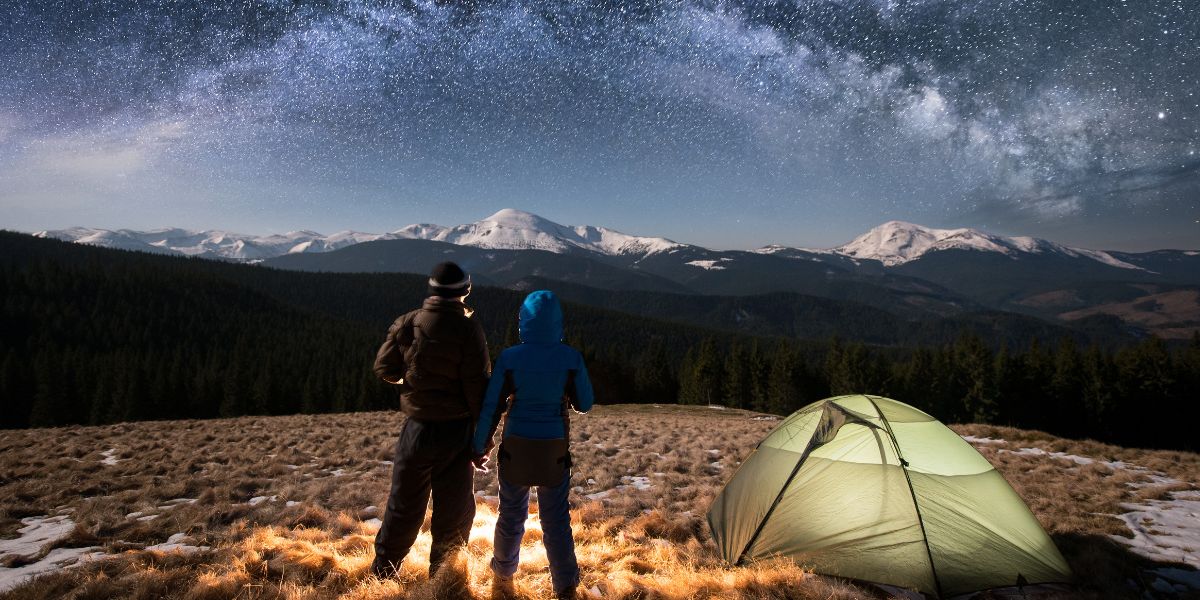
ASomewhere above the last streetlight, the sky stops being a ceiling and becomes a doorway. Around Estes Park, the night opens that door wide. Planets glow steadily, the Milky Way spills across the dark, and the Rocky Mountain stars seem close enough to touch. You do not need an expensive telescope or an astronomy degree, only warm clothes and a little patience.
Elevation, moon phase, and season all shape what you will see, so a smart plan pays off. Go somewhere dark, pick a good moon, and dress for the cold. Read on to learn where to go, when to look, and what to pack for one truly unforgettable night.
Why the Mountain Night Sky Looks So Bright
A few simple facts explain the show. Estes Park sits at about
7,522 feet above sea level. Higher elevation can provide clearer atmospheric conditions, while
Rocky Mountain National Park protects its night skies. Clear evenings can offer impressive views of stars, planets, and other celestial objects.
These conditions can make faint celestial details easier to spot with the naked eye. Understanding how elevation and darkness affect visibility can help you choose the right time and place for stargazing.
Moonlight can wash out faint stars, so checking the lunar phase before heading out can improve visibility. Summer offers good views of the Milky Way’s galactic center, while winter highlights crisp constellations and the Orion Nebula. Bright planets may also appear, giving the Rocky Mountain stars plenty of competition.
Best Spots for Stargazing in Estes Park
Each spot offers a different view and a different mood.
-
Bear Lake and Its Reflections
Bear Lake gives you views of Hallett Peak and a front-row seat to the Milky Way. On a calm, windless night, the lake mirrors the stars above it. Access is easy, so it suits families and first-time visitors alike.
-
Trail Ridge Road Pullouts
This alpine road climbs above
12,000 feet, so its pullouts give wide, high views. Forest Canyon Overlook and Poudre Lake at Milner Pass are good stops. The road is seasonal, so check the park’s status before you drive up.
-
Moraine Park Meadows
Moraine Park is an open valley inside the park, and its wide horizon makes the sky feel huge. The quiet setting suits families who want a relaxed night with blankets and camp chairs. Arrive before dark to settle in.
-
Mills Lake for Hikers
Adventurous hikers can carry a headlamp, water, and extra layers up to Mills Lake for a Milky Way view. The trail is a real hike, so travel with a partner and pack for the cold. Share your plan with someone first.
-
Estes Park Memorial Observatory
Near Lake Estes, this local observatory has a
16-inch telescope that can point to deep-space objects. Free open house nights are available to the public, while private viewing sessions are also offered at no charge. Donations help support the observatory and its programs. Check the online schedule for upcoming viewing opportunities and plan your visit.
A night spent beneath the stars deserves a restful place to recharge afterward. Kokopelli Inn is a charming boutique inn in Estes Park where you can settle in after a day of exploring. Book your stay today and make room for more mountain memories tomorrow.
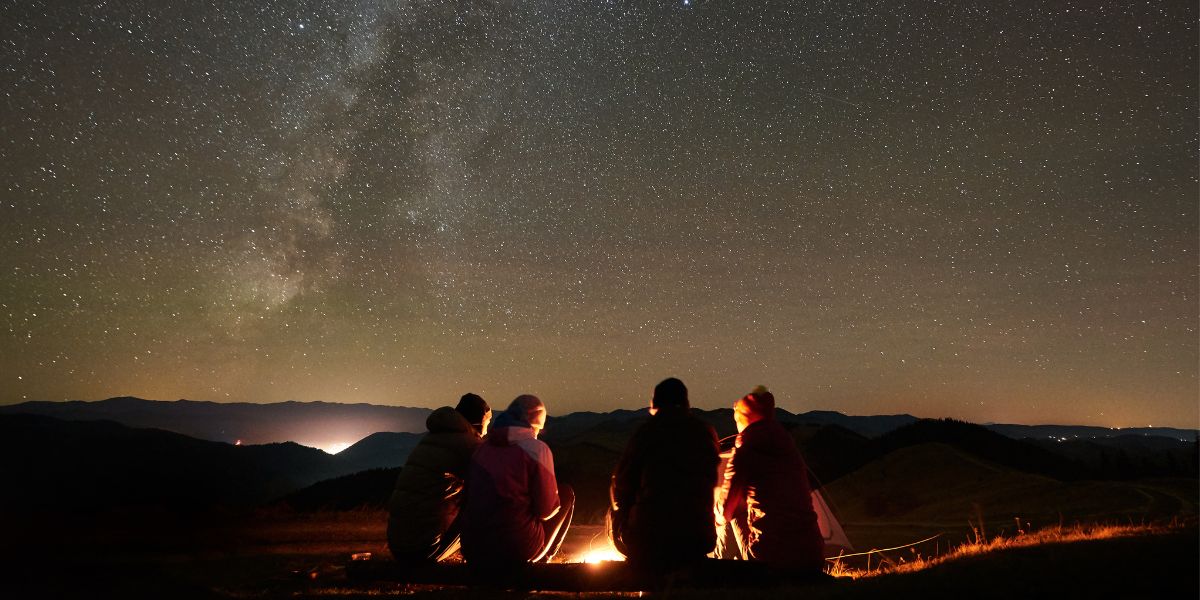 Programs and Tours Under the Stars
Expert help makes a first night out easier.
-
Ranger-Led Astronomy Nights
Rocky Mountain National Park hosts Astronomy in the Park on select summer evenings at the Park and Ride area on Bear Lake Road. A ranger talk starts at
8:30 p.m., and volunteers set up telescopes afterward. The program is free, though entrance fees apply.
Local guides make watching stars in Colorado easy for first-timers. Estes Park Adventure Star Tours drives a high-altitude route with three stops for stars and photos, and Estes Park Tour Guides lead a night hike with headlamps and blankets.
-
Family Night Explorer Fun
Kids can explore the
Junior Ranger Night Explorer program and complete activities as they learn about stars, galaxies, and the night sky. Rocky Mountain Conservancy supports the program, turning a late evening into a mission for young explorers.
-
Pack Smart for a Night Outside
Nights get cold at altitude, even in summer, so bring warm layers, a hat, gloves, and closed shoes. A camp chair or blanket keeps you comfortable while you look up.
Carry a headlamp with a red light, because white light can disrupt night vision. Binoculars and a free stargazing app can also make stargazing in Estes Park simpler.
A Quick Look at Stargazing Spots
Watching stars in Colorado feels easier when you match the spot to your plan.
| Spot |
Setting |
Best for |
| Bear Lake |
Lakeside in the park |
Reflections and Milky Way views |
| Trail Ridge Road pullouts |
Alpine tundra |
High, wide horizons |
| Moraine Park |
Open valley |
Quiet family evenings |
| Estes Park Memorial Observatory |
Near Lake Estes |
Telescope views |
| Park and Ride |
Bear Lake Road |
Ranger-led astronomy nights |
Bottom Line
Stargazing near Estes Park offers peaceful viewing spots and a chance to experience the mountain night sky at its best. Choose a location that fits your plans, check the moon phase, and prepare for cold temperatures. With warm layers, a red light, and patience, you can enjoy a memorable night under Colorado’s stars.
A peaceful night under the stars deserves a comfortable retreat when the evening ends. Kokopelli Inn provides a cozy private suite in Colorado where you can settle in after a night of stargazing. Connect with us today for a relaxing stay between your mountain adventures!